Preparing for open water swimming: the Bosphorus and other open water races
6 min readUpdated:
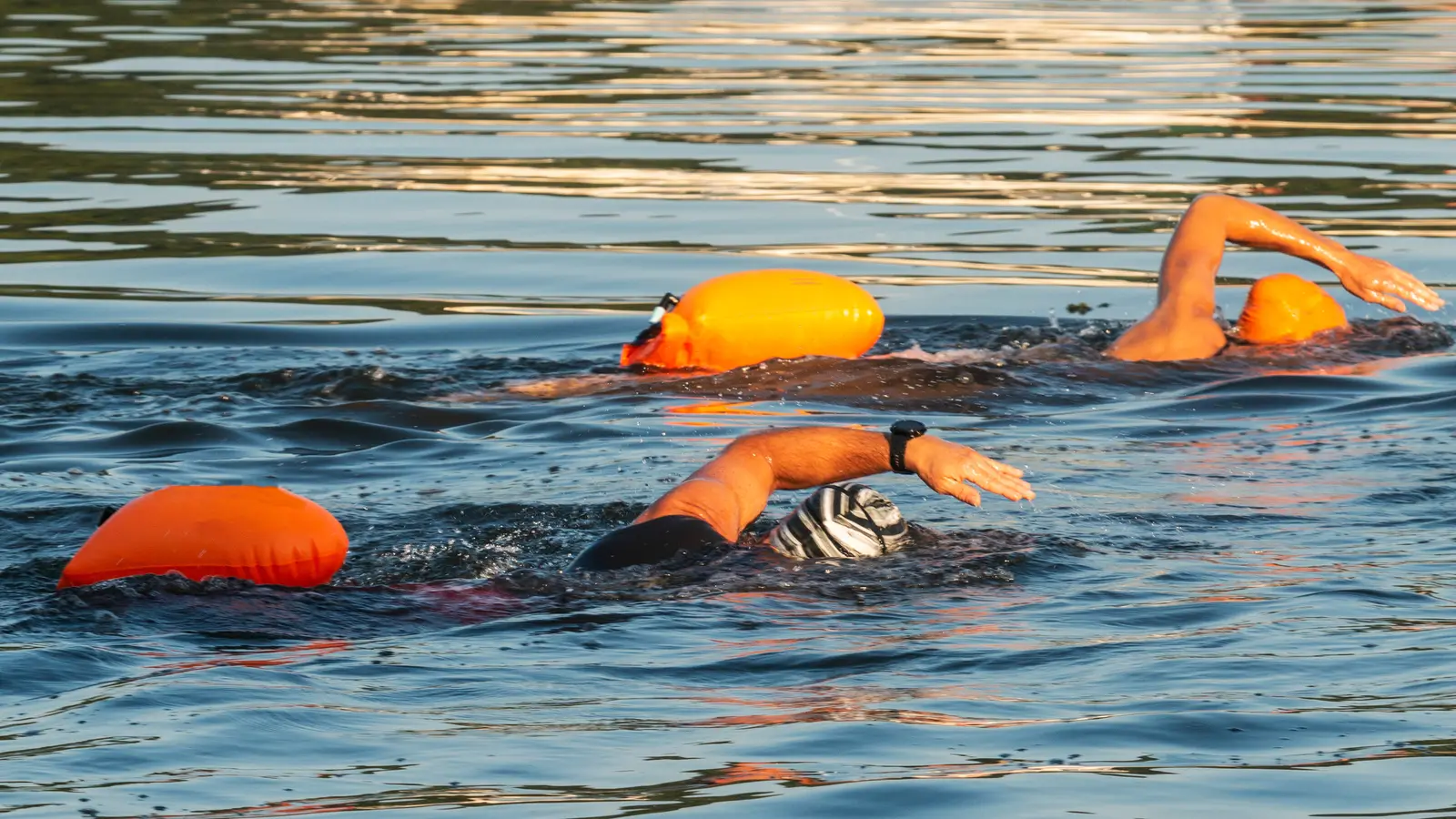
Open water swimming is swimming in the sea, a lake or a river instead of a pool, with no walls, lane ropes or line on the bottom. Preparing for it means adding navigation, swimming straight, mass starts, cold water and waves on top of your pool fitness. You never swim in open water alone.
In this guide
How is open water different from the pool?
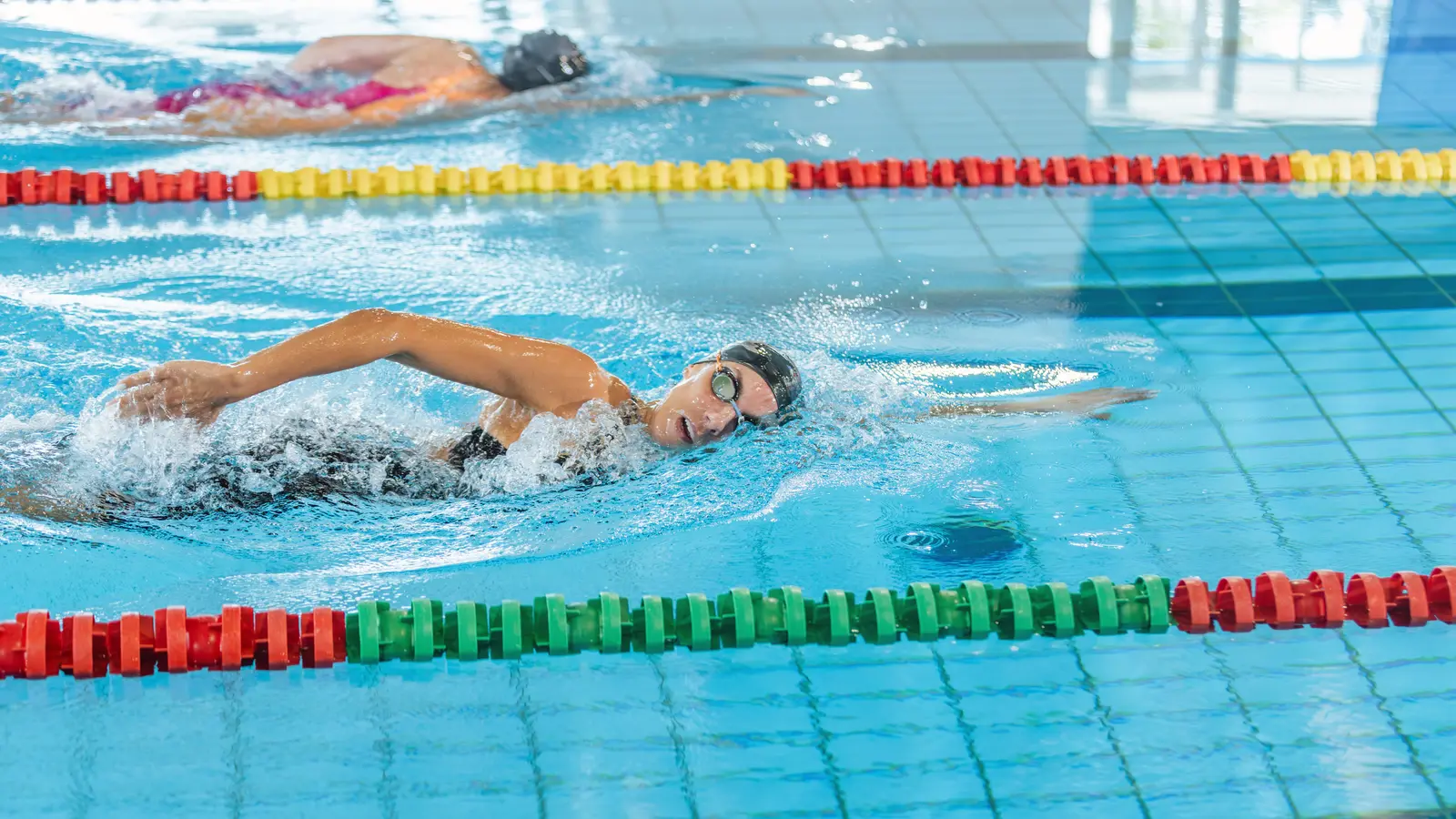
In the pool you reach a wall every few minutes and gain a small breather from each push-off. Open water has no such breaks; the swim is continuous. With no line on the bottom, finding the way is up to you. Waves, currents, wind, the extra buoyancy of salt water, murky water and changing temperatures all come into play, along with the unease that deep, dark water can cause.
That is why pool times do not transfer directly. At the same effort you are usually slower in open water: no push-offs, you lift your head to navigate and conditions keep changing. Learn to manage pace by perceived effort rather than the pool clock. Your critical swim speed (CSS) is a useful base for training, but it will not be your race speed.
How do you practise sighting and swimming straight?
Sighting means lifting your head briefly to look ahead without breaking your rhythm. Bring only your eyes above the surface, like a crocodile, spot the target, then turn your head and breathe. Lifting the whole head sinks your hips and slows you down. Buoys vanish behind waves, so pick large, fixed landmarks behind them, such as a building, a hill or a tree.
Everyone's stroke pulls to one side, and in open water that drift means swimming many extra metres. Breathing to both sides balances the stroke and helps you hold a line. How often you sight depends on conditions: less in calm, familiar water, more in chop or as you approach a buoy. Getting to know your own drift is the best way to sight less often.
- In the pool, sight to a point at the far end a few times each length.
- In an empty lane, swim a few strokes with your eyes closed and see which way you drift.
- Make bilateral breathing a habit on long, easy swims.
How do you handle mass starts and drafting?
In a mass start, contact, bumping and feet in your face are normal. In your first open water race, starting at the side or the back keeps you out of the worst of it. Sprinting the first minutes is a common mistake: heart rate spikes, breathing goes and panic sets in. Start calmly, exhale steadily into the water and build once you have a rhythm. Taking crowded buoy turns a little wide is often easier.
Drafting means swimming right behind another swimmer, or level with their hip, to use the water they move; it saves a real amount of energy. Follow their bubbles without crowding their feet. Never assume they are navigating well, so keep sighting for yourself while you draft. Taking turns swimming behind a friend in the pool is a good way to practise the distance.
What should you know about cold water and wetsuits?
Entering cold water makes your body gasp and breathe fast; this is cold shock. Get in slowly, put your face in a few times while breathing out, and only start swimming once your breathing settles. Tolerance builds through repeated short, controlled exposures, not one long solo swim. Uncontrolled shivering, numb hands or muddled thinking mean it is time to get out. If you have a heart or circulation condition, talk to a health professional first.
A wetsuit adds warmth and buoyancy, so it makes most swimmers faster, but it can restrict the shoulders and rub at the neck. If you will race in one, swim in it several times in the weeks before, use anti-chafe where it rubs and practise taking it off quickly. Wetsuits may be compulsory, optional or banned depending on the event and water temperature, so check your race's current rules.
Open water safety: the rules that never change
The first rule of open water is never to swim alone: someone watching from the shore, a friend beside you or an organised group is essential. A bright cap and a tow float clipped to your waist make you visible to boats and give you something to hold. In waters with strong currents and heavy shipping, like the Bosphorus, swim only at organised events with safety cover.
- Check wind, waves, current and boat traffic before you get in; if in doubt, stay out.
- Use designated swimming areas and swim parallel to the shore.
- Decide where you will get out and tell someone where you are swimming and for how long.
- If you start to panic, roll onto your back, settle your breathing and hold your float.
How do you prepare in the pool, and what matters on race day?
If your open water access is limited, most preparation can happen in the pool: continuous swims, turning mid-lane instead of pushing off the wall; repeated sighting; a fast start that settles into race pace; drafting with a friend; and, where allowed, swimming in your wetsuit. Someone preparing for an event such as the Bosphorus Cross-Continental Swim with three pool sessions a week can weave these into ordinary training.
Try nothing new on race day: cap, goggles, wetsuit and breakfast should all be tested in training. Bring two pairs of goggles, one tinted and one clear. Attend the briefing and learn the course, buoy order, current and exit. If you can, warm up briefly in the water so cold shock happens then, not at the start. Entry requirements and rules are specific to each event, so always check the organiser's current information.
Frequently asked questions
Fitness-wise you are probably ready, but skill-wise not yet. Sighting, continuous swimming, handling cold shock and staying calm in a crowd are learned separately. Keep your first open water swims short, in calm, shallow, supervised water. Build the distance as you feel at ease, and do not aim for your pool pace.
Stop swimming, roll onto your back or hold your float, and focus on slowing your breathing. Lengthening the exhale is often the quickest way to calm down. In a race you can raise an arm to signal the safety crew; that is not failure, it is the right call. If the feeling keeps coming back, short, frequent, supervised open water sessions usually help you get used to it.
Check your race rules first: in some events a wetsuit is compulsory, in some optional and in others banned, and the decision often depends on water temperature. If wetsuits are allowed and the water is cool, one gives you warmth and buoyancy. Renting before buying is a good way to see whether a suit restricts your shoulders.
There is no fixed number; what matters is feeling comfortable in water similar to race conditions. Having done several supervised open water swims, and tried sighting, starts and your wetsuit before the race, makes a first race far calmer. If access is hard, open water drills in the pool help close the gap.
This guide is general information, not medical advice. If you have a health condition, an injury or pain that does not go away, see a health professional before you train.