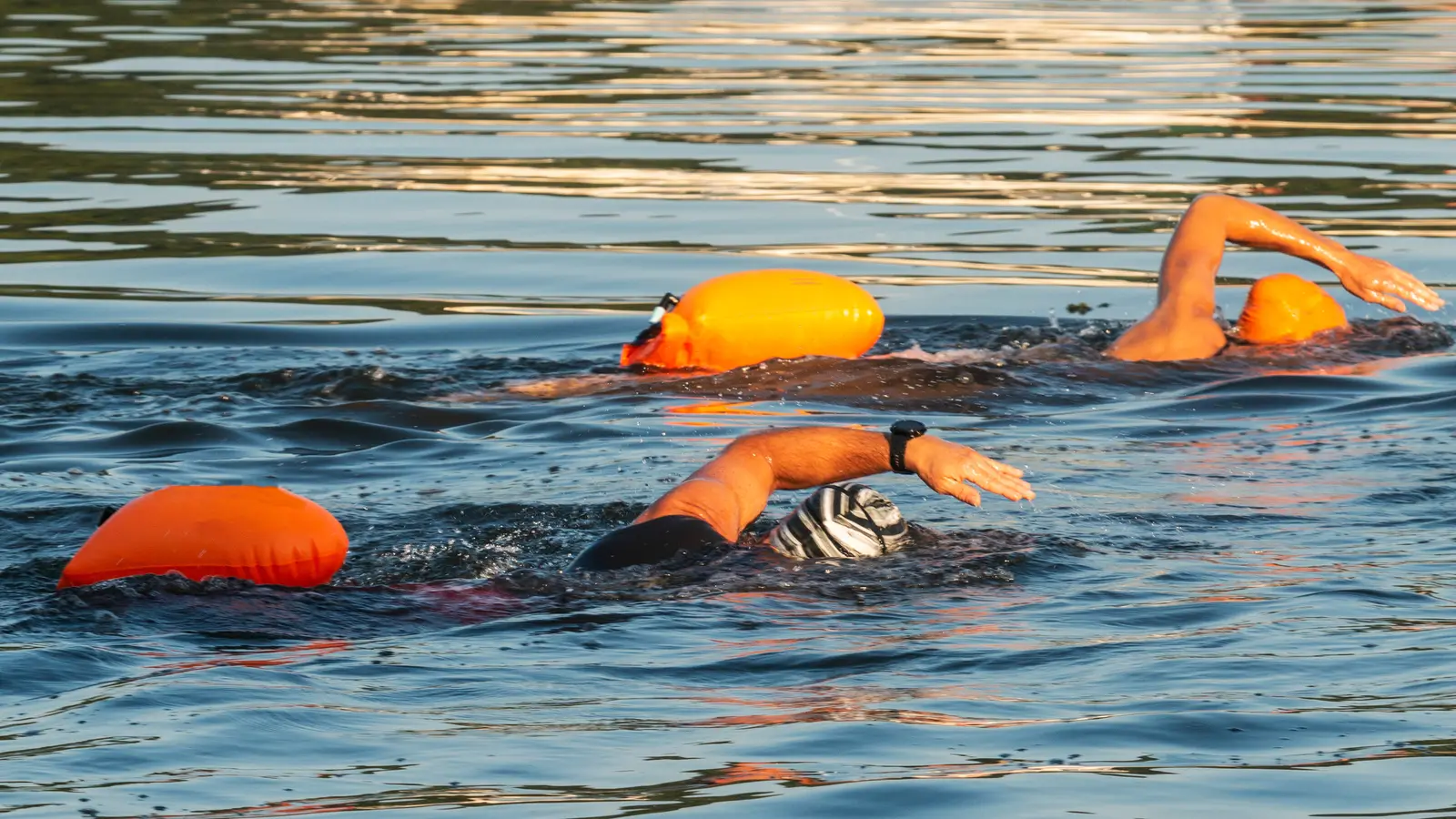
What is a brick workout and how do you do one?
6 min readUpdated:
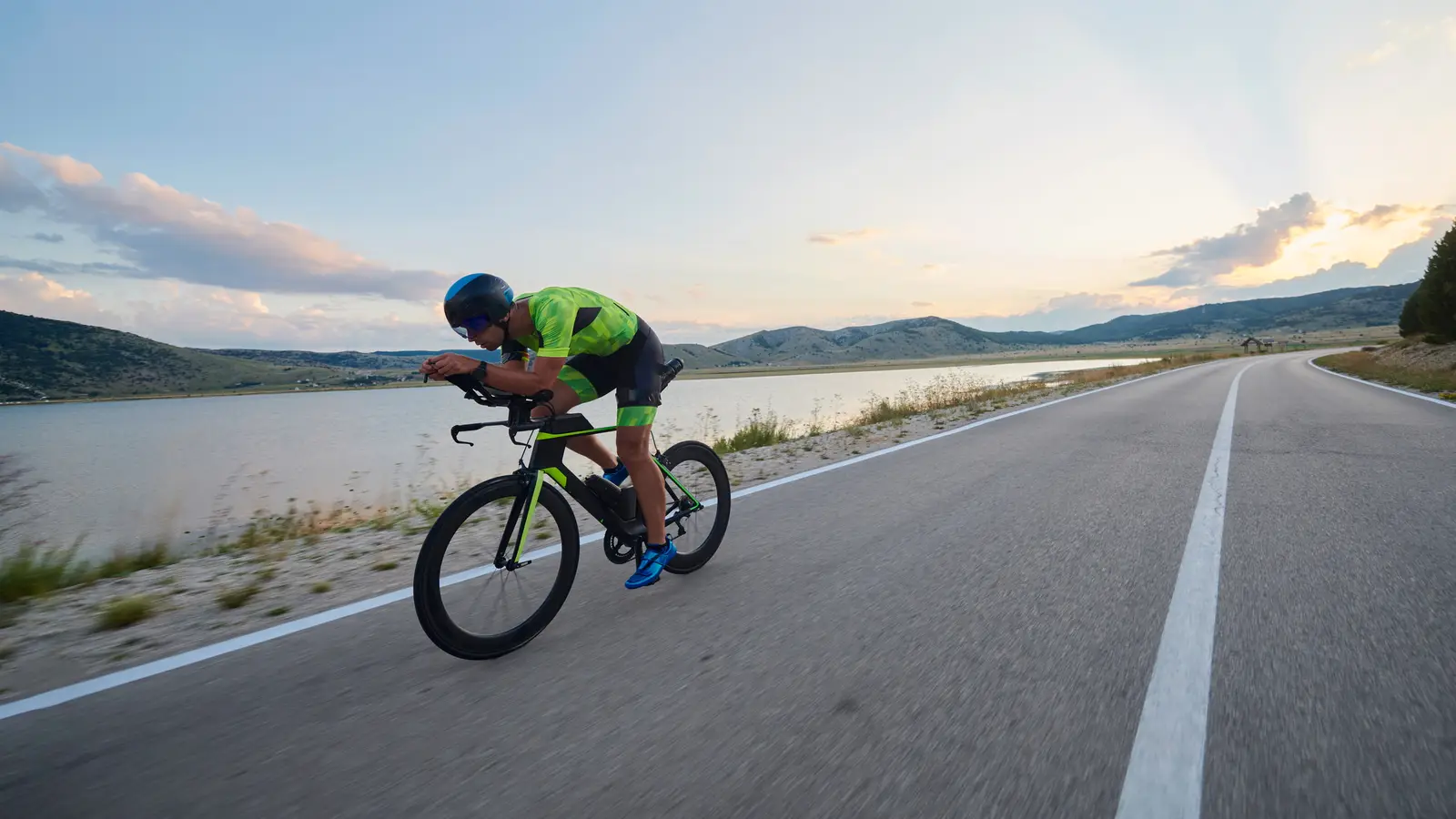
A brick workout is a combined session in triathlon where you start running straight after the bike, with no break in between. Its purpose is to rehearse the bike-to-run change before race day: getting your legs used to the switch, moving through transition quickly and learning to hold the right pace in the first minutes of the run.
In this guide
What exactly is a brick workout?
A brick is two disciplines done back to back in one session, with no rest between them. In triathlon it almost always means bike then run, the hardest change of the race. The name is said to come from legs that feel like bricks off the bike. Swim then bike counts too, but for most athletes the bike-to-run switch is the one worth practising.
What separates a brick from a ride and a run done separately is that the second part starts on tired legs. Riding in the morning and running in the evening does not give the same effect. What matters is the switch itself: the few minutes in which you get off the bike, change shoes and start running. In a race those minutes often decide how the whole run goes.
Why do your legs feel heavy after the bike?
On the bike you sit, pedal in a smooth circle with no impact, keep your hips closed forward and settle into a rhythm. Running asks you to carry your body weight on every step, absorb landings and stand tall. When you get off the bike, your muscles, nervous system and blood flow need a little time to switch to the new job. That is where the heavy, stiff, slightly clumsy feeling comes from.
For most athletes the feeling fades within the first minutes of the run. Bricks do not remove it, but they help your body adapt faster and teach you to get through those minutes calmly. There is a second trap: heavy legs or not, many people start the run faster than planned, carried by the sense of speed from the bike. Check your watch or your effort early on.
Why do brick workouts matter?
In triathlon the run never starts on fresh legs. A brick brings training closer to race conditions and, above all, teaches pacing: you learn which effort is sustainable on tired legs, and how much the run pays for every extra push on the bike. That changes the decisions you make late in the ride on race day.
- Pacing: teaches you to start the run at the right effort on tired legs.
- Transition: turns racking the bike, taking the helmet off and changing shoes into a habit.
- Fuelling: shows how what you eat and drink on the bike affects the run.
- Confidence: having lived through those heavy first minutes makes race day less of a shock.
What types of brick are there?
A brick is a pattern rather than a fixed workout; you fill it according to your phase and level. Early in the season the aim is simply getting used to the switch, so both parts stay easy. Closer to the race, parts move up to race effort and the brick becomes a small race rehearsal. For a beginner, an easy ride followed by a short, controlled run is a good start.
- Short transition run: a short, easy run added to the end of a normal ride. The most common and the safest kind.
- Race-pace segments: the last part of the ride and the start of the run at race effort, everything else easy.
- Repeat bricks: several short ride-and-run blocks back to back, so you practise the switch over and over.
- Long ride, short run: for long-distance athletes; the point is not to cover race distance but to see how the run starts after a long ride.

How often should you do bricks, and how do you practise transition?
Do bricks as often as you need them. A race-effort brick every week is more fatigue than most age-groupers need. In general: occasional short, easy transition runs in the base period, then more regular, race-like bricks in the race-specific period. Someone with seven hours a week aiming at an Olympic distance can add a short run to the end of the weekend ride and practise the switch without an extra day.
Treat transition as training too. Set up a small transition area at home: a spot to rack the bike, a towel, shoes, cap and race belt. Follow the same order every time so it becomes automatic on race day. Elastic laces and shoes left open save seconds. Most races require the helmet to stay on until the bike is racked, so make that a habit too.
Common brick mistakes and staying safe
The most common mistake is turning every brick into a race. The point of an easy brick is to get used to the switch, not to test yourself. The second mistake is placing a brick right next to the week's other hard sessions; because bike and run load land on the same day, a brick is more tiring than it looks, and an easy day should follow it.
- Starting the run too fast: keep the first minutes deliberately calm, then settle the effort.
- Under-drinking and under-eating on the bike: missing fuel shows up on the run; try your race-day plan in bricks.
- Leaving the bike unsafe: if you start from home, lock the bike somewhere secure and pick a run route away from traffic.
- Ignoring pain: stop for sharp or lingering pain, and see a health professional if it does not settle.
Frequently asked questions
It depends on your race distance, level and phase. The run part is usually much shorter than the race run, because the aim is to practise the switch and the opening of the run. Beginners add a short, easy run to a normal ride; closer to the race, segments move towards race effort, but the total always has to fit the rest of the week.
For most athletes it starts to fade in the first minutes of the run, and it passes faster in people who do bricks regularly. Short, quick steps, a tall posture and not forcing the pace all help during that time. Heaviness is normal; sharp pain, cramping or discomfort that grows as the run goes on is not, and in that case you should stop and rest.
Yes, but short and easy. For someone preparing for a first triathlon, the main benefit of a brick is not being surprised by that unfamiliar heavy-leg feeling on race day. A few minutes of relaxed running after an easy ride is enough. Race-effort bricks make sense later, once your base endurance is in place and the race is getting close.
Yes, and it is often the most practical option: after the trainer ride you change shoes and step onto a treadmill or head outside. The switch is quicker and there is no traffic. You sweat more indoors, so drink enough and ventilate the room. One or two outdoor bricks on your real bike and similar terrain close to the race are still worthwhile.
This guide is general information, not medical advice. If you have a health condition, an injury or pain that does not go away, see a health professional before you train.