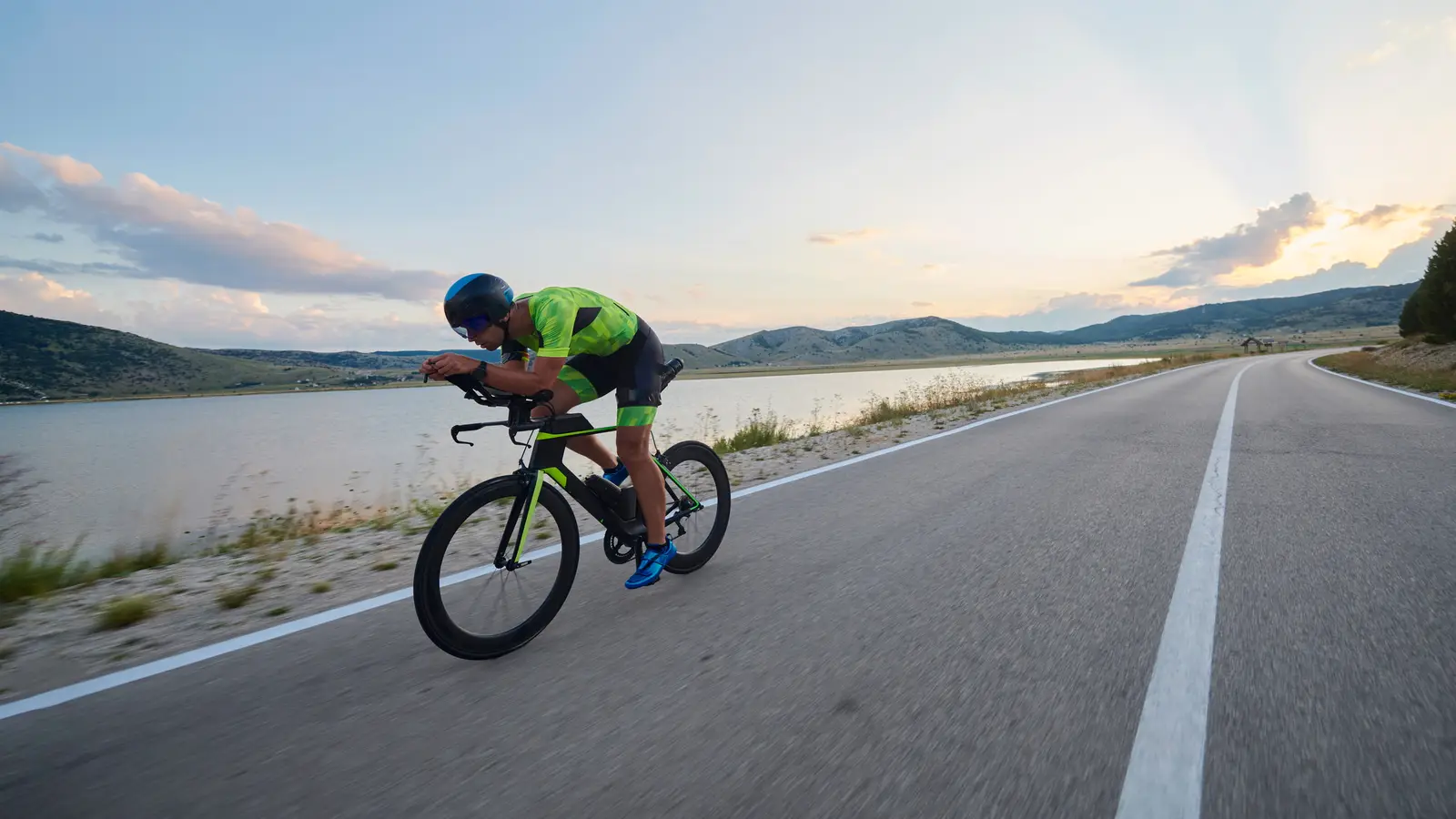
Your first triathlon: a sprint and Olympic distance guide
6 min readUpdated:
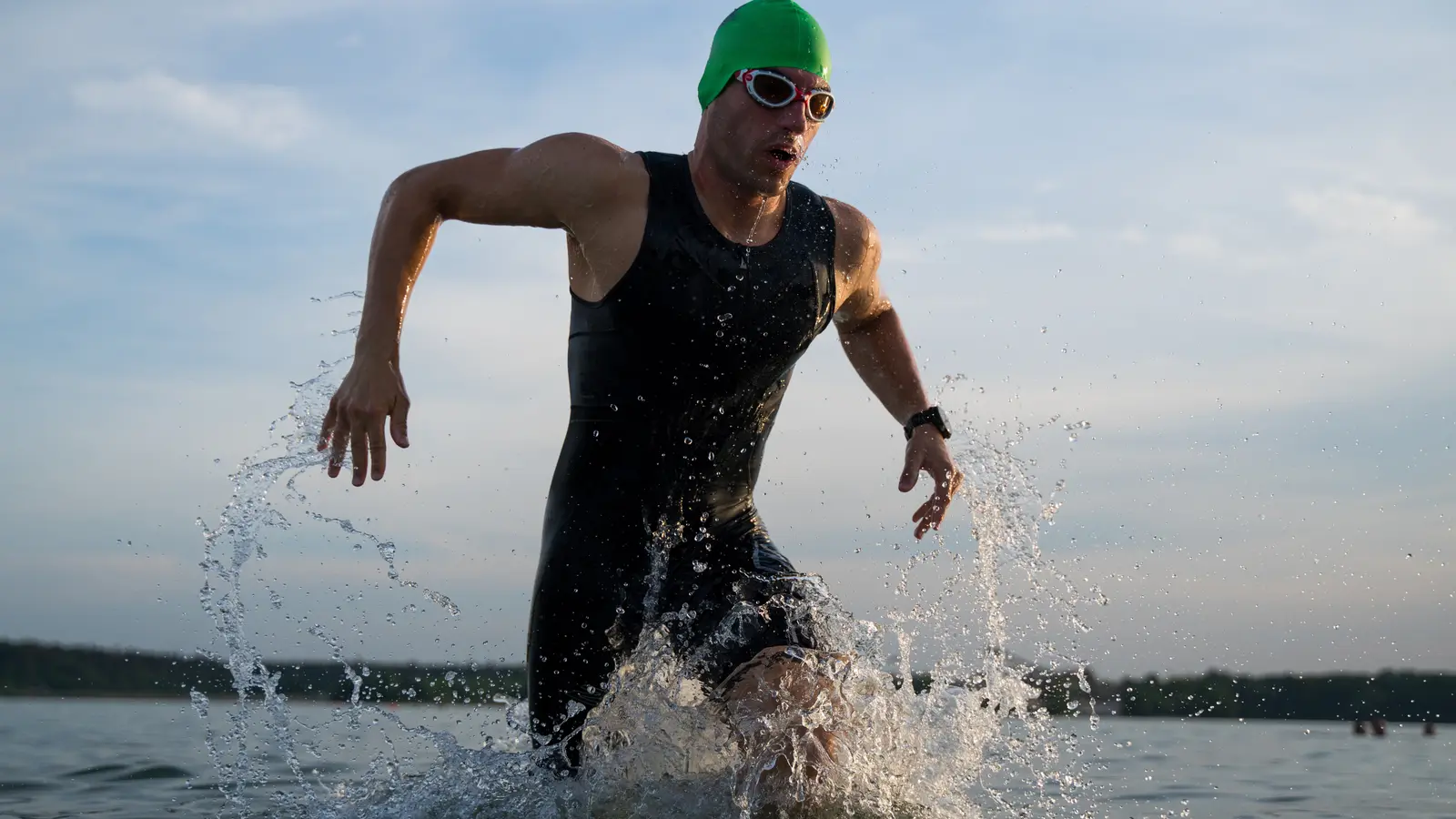
A triathlon is an endurance race in which you swim, bike and run one after another without a break. For most people, the sprint distance is the right choice for a first race. Preparation comes down to training all three sports every week, prioritising your weakest one, practising bike-to-run (brick) sessions and rehearsing transitions in advance.
In this guide
What are the triathlon distances, and which suits a first race?
Distances vary slightly between races, but five categories are in common use. Organisers may adjust the bike or run distance to fit the course. Before you sign up, check the race's own page for distances, water temperature, wetsuit rules and cut-off times; you do not want surprises in your first race. Treat the list below as a general frame.
For a first triathlon the sprint suits most people: preparation stays reasonable and you can focus on what really needs learning, which is transitions, open water and pacing. If you already train regularly in all three sports, the Olympic distance is a fine first target too. Half and full distance are better left until a few shorter races are behind you.
- Super sprint: about 400 m swim, 10 km bike, 2.5 km run.
- Sprint: 750 m swim, 20 km bike, 5 km run.
- Olympic (standard): 1.5 km swim, 40 km bike, 10 km run.
- Half distance (70.3): 1.9 km swim, 90 km bike, 21.1 km run.
- Full distance: 3.8 km swim, 180 km bike, 42.2 km run.
How do you balance three sports on limited time?
The hardest part of triathlon is often the calendar, not the training. Three sports, work and family share the same week. The answer is a simple skeleton that gives every sport a regular place. Dropping a sport for weeks and catching up later is the least efficient approach; technique and fitness are kept through regular contact. Routine comes before intensity.
Say you have about six hours a week. Swims go on the days the pool is available, the longest ride at the weekend and runs on the days between. Commuting by bike or a short lunchtime run adds time without adding a training day. Avoid hard sessions on consecutive days, even in different sports: fatigue does not care which sport caused it.
Why your weakest sport should be your priority
For most people new to triathlon, the weakest sport is swimming. In the water, technique matters more than fitness: an inefficient stroke slows you down and tires you out however fit you are. That is why regular, technique-focused swim time is where you can improve fastest. A few lessons with a swim coach or joining a club can teach you more than months of swimming alone.
If your weak spot is running or cycling, the logic is the same: work more regularly where you lose the most time. Do not abandon your strongest sport; keep it with short, efficient sessions and move the time saved to the weaker one. The goal is to complete all three legs comfortably; shining in one and struggling in another costs most on the overall clock.
How to practise brick sessions and transitions (T1, T2)
When you get off the bike and start running, your legs feel heavy and strange for the first few minutes, which surprises everyone new to triathlon. A brick session, a short run straight after a ride, gets your body used to that change. In your first bricks, ride at a comfortable effort, then run briefly and under control. The aim is finding your running stride quickly, not speed.
Transitions, the areas where you go from swim to bike (T1) and bike to run (T2), work like a fourth discipline. Lay out your kit in the same order every time, fasten your helmet before you touch the bike, and rehearse shoes and race belt at home. Respect the mount and dismount lines. A rehearsed transition saves time and takes stress out of the race.
Open water and kit: what do you really need?
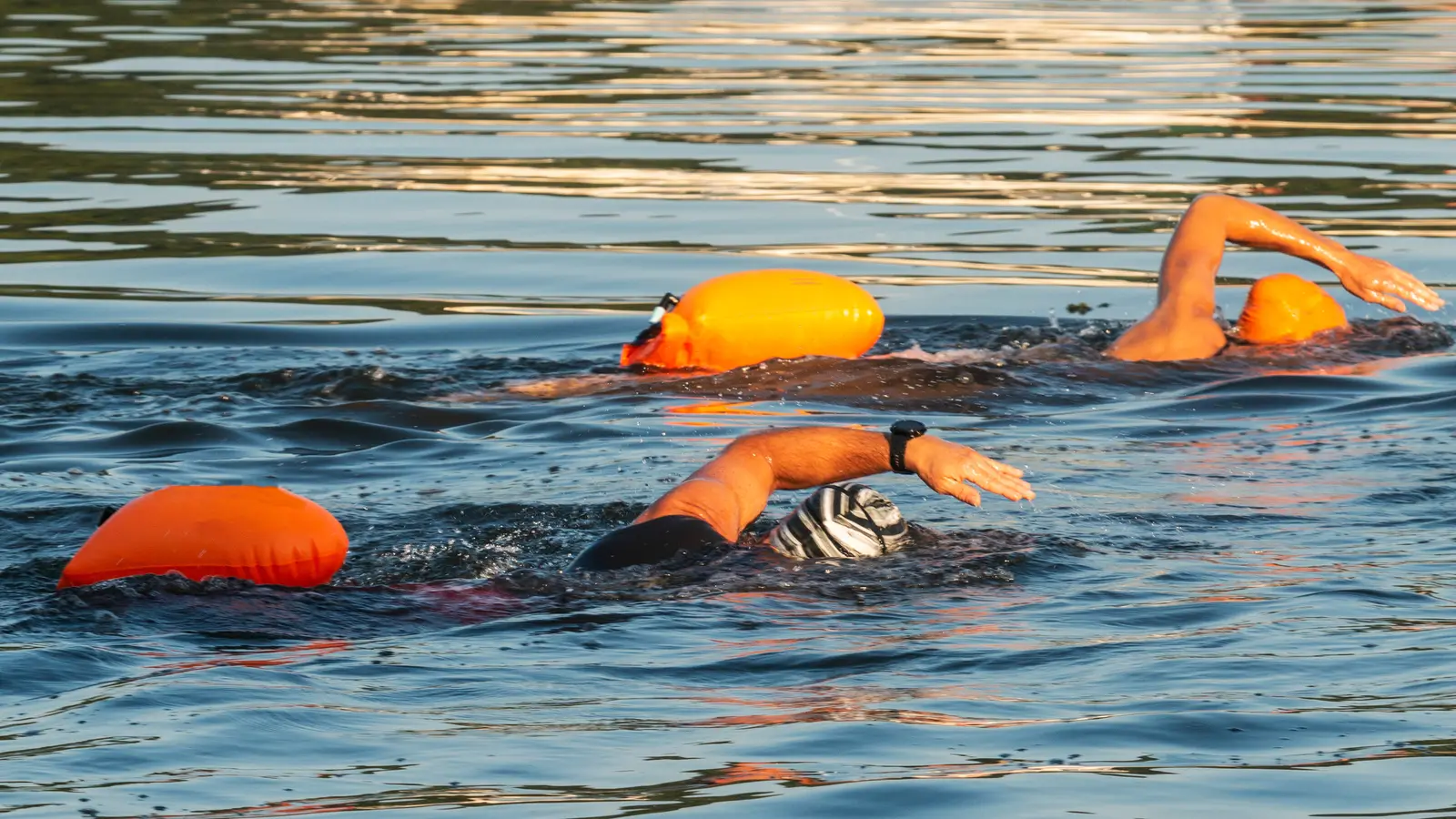
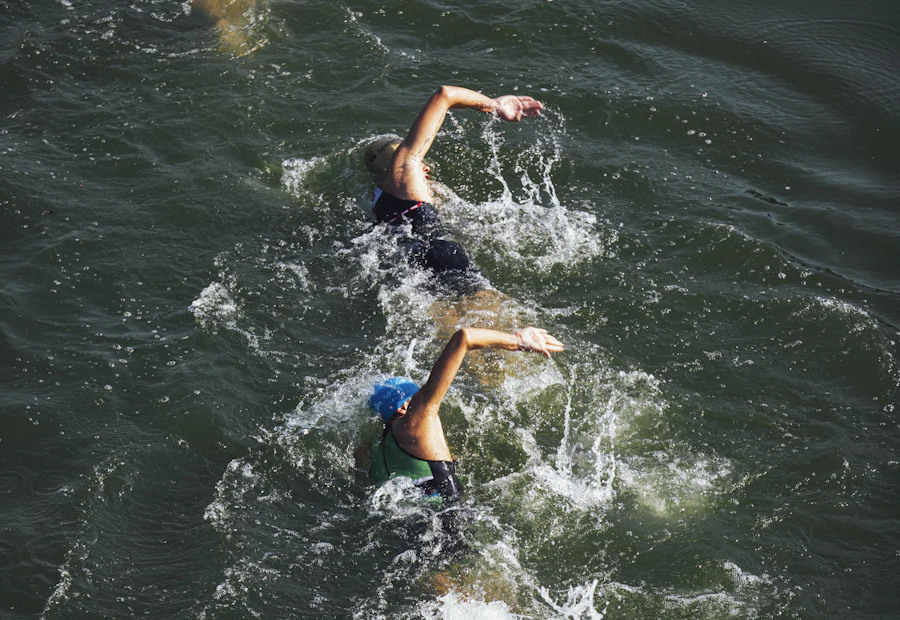
Comfortable in the pool does not mean comfortable in open water: no walls, no visible bottom, plus waves, currents and a crowded start. Before the race, swim in open water several times, supervised and never alone. Practise sighting, lifting your head every few strokes to spot a target, in the pool too. If the water will be cold, swim in your wetsuit beforehand; race morning should not be the first try.
You do not need expensive kit for a first triathlon. A well-maintained bike that fits you, road bike or mountain bike, is enough to finish a sprint. Think about speed-gaining equipment only after a few races, once you actually need it. Before the race, check or have someone check your brakes, tyres and gears.
- Swim: swimsuit or tri suit, goggles, the cap the race provides; a wetsuit if the water is cold.
- Bike: a well-maintained bike and an approved helmet (no helmet, no start).
- Run: shoes you are used to; elastic laces help you put them on quickly.
- Small but important: race belt, bottle, spare inner tube and pump.
Race week and common mistakes
Race week cannot add fitness, but it can cost you a lot. Training volume drops, and short, brisk sections keep your legs sharp. Prepare your kit a few days early, study the course and transition layout, and read the race briefing. On race morning, eat your usual breakfast and get to transition early; rushing is where most first-triathlon mistakes begin.
- Getting swept up in the crowded swim start and going out too fast.
- Pushing too hard on the bike and leaving nothing for the run.
- Arriving at the race without having rehearsed bricks or transitions.
- Trying open water or a wetsuit for the first time in the race.
- New kit, new fuelling or extra training during race week.
Frequently asked questions
For most people, the sprint distance: a 750 m swim, 20 km bike and 5 km run. Because it is short, preparation stays manageable and you learn triathlon-specific skills such as transitions, open water and pacing at low risk. If you already train regularly in all three sports, the Olympic distance can also be a good first target.
No. A well-maintained bike that fits you is enough for a first triathlon; a road bike helps, but a sprint can be finished on a mountain bike too. An approved helmet, however, is compulsory. It makes more sense to think about expensive kit after a few races, once you know what you actually need.
Yes; swimming is the weakest sport for most newcomers to triathlon. First, get to where you can swim the race distance in the pool comfortably and without stopping. A few lessons with a swim coach speed up technical progress considerably. Before the race, swim in open water under supervision too, and for safety never train alone in open water.
It depends on where you start. For someone who already exercises regularly and has basic skills in all three sports, a few months of preparation is usually enough for a sprint. The Olympic distance needs longer. If you are still learning to swim or have not been training regularly, add a base period before the race preparation begins.
This guide is general information, not medical advice. If you have a health condition, an injury or pain that does not go away, see a health professional before you train.