Gran fondo training: how to prepare for a long-distance cycling event
8 min readUpdated:
A gran fondo is a mass-participation long-distance road cycling event, usually over 100 kilometres and often with serious climbing; a medio fondo is the shorter route of the same event. Preparation rests on long, steady endurance rides, well-paced climbing, safe group riding and a fuelling plan you have rehearsed in training.
In this guide
What are a gran fondo and a medio fondo?
Gran fondo, Italian for "big ride", is a format that grew out of amateur road cycling events in Italy. After a mass start, hundreds and sometimes thousands of riders tackle the same course. Routes are usually over 100 kilometres and most include significant climbs. The shorter option at the same event is called a medio fondo, and for many riders preparing for their first long event it is the more manageable place to start.
Most gran fondos are timed and publish results, but for the majority of riders the real opponent is the course itself: finishing, improving on their own time or getting over the climbs without suffering. Some events run on closed roads, others on partly open ones, and rules, cut-off times and required equipment vary from event to event. Before you start preparing, study the route profile, the total climbing and the rules carefully.
Why is the endurance base built on long Z2 rides?
A gran fondo is an aerobic effort lasting hours. What carries you through is your body's ability to produce energy efficiently for a long time, and muscles, joints and contact points that are used to spending hours on the bike. The most reliable way to build that is long rides in the endurance zone (Z2): an effort where you can talk, your breathing is under control and you finish pleasantly tired rather than empty.
The long ride grows gradually over a few weeks, with lighter weeks in between. During the rest of the week, one or two quality sessions, such as threshold intervals or climbing repeats, complement it. Later in the preparation, adding a controlled section at event pace to the end of the long ride teaches you to produce power while tired, which is exactly what the last climb of a gran fondo demands.
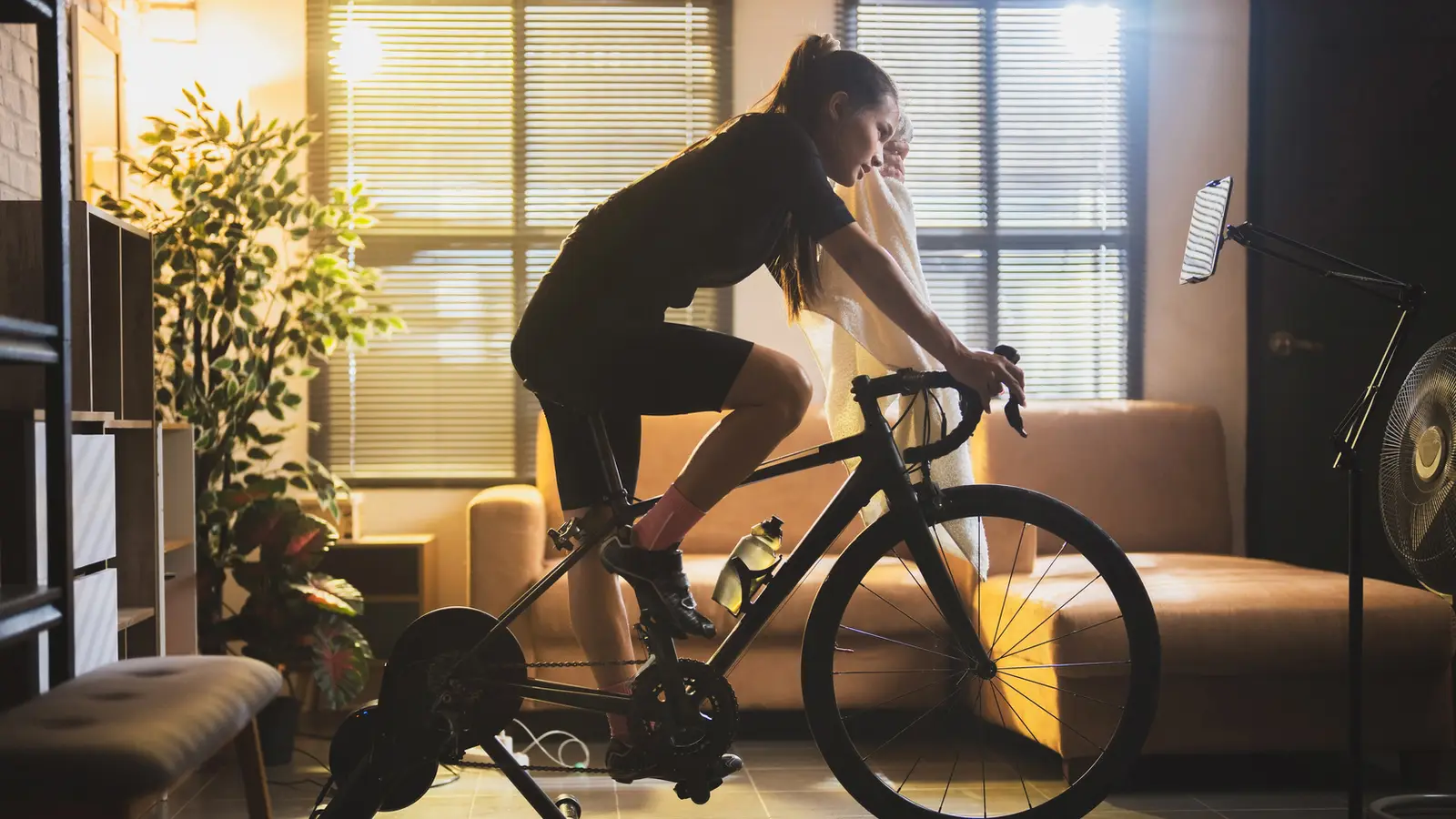
If you have no time for long rides during the week, indoor training is the most efficient option. A structured session on a smart trainer with an app such as Zwift packs a lot of work into a short time, because you pedal continuously with no stops, junctions or descents. Loading sessions as Zwift workout files (.zwo) makes the targets easy to follow. Still, do not give up long outdoor rides: group riding, wind, descending and eating on the move only develop on the road.
How do you pace climbs with power or RPE?
The most common gran fondo mistake is hitting the first climb too hard. Event excitement and the riders around you push you over your threshold, and those few minutes of excess are paid for over the rest of the course. On a long climb the aim is a steady effort, clearly below threshold, that you can still control on the steepest ramps. Start the climb calmly and finish it strongly, not the other way round.
If you have a power meter, watts are your best guide on a climb: your effort stays steady even as the gradient changes, and you cannot fool yourself at the bottom of the hill. Knowing a current FTP is the precondition for setting those targets correctly. Without a power meter, ride by perceived exertion (RPE): on a long climb, stay at an effort where you can still speak in short sentences. Heart rate helps too, but because it rises with a delay it misleads you in the first minutes of a climb.
Climbing skill only comes from climbing. Do repeats on the longest hill near you and practise pedalling smoothly both seated and out of the saddle. For a mountainous course, easier gearing (a smaller chainring, a wider-range cassette) gives most amateurs real relief, and being able to spin at a lively cadence spares your muscles over a long day. Descending is part of the preparation too: practise braking before the corner and looking towards its exit.
What do you need to know to ride safely in a group?
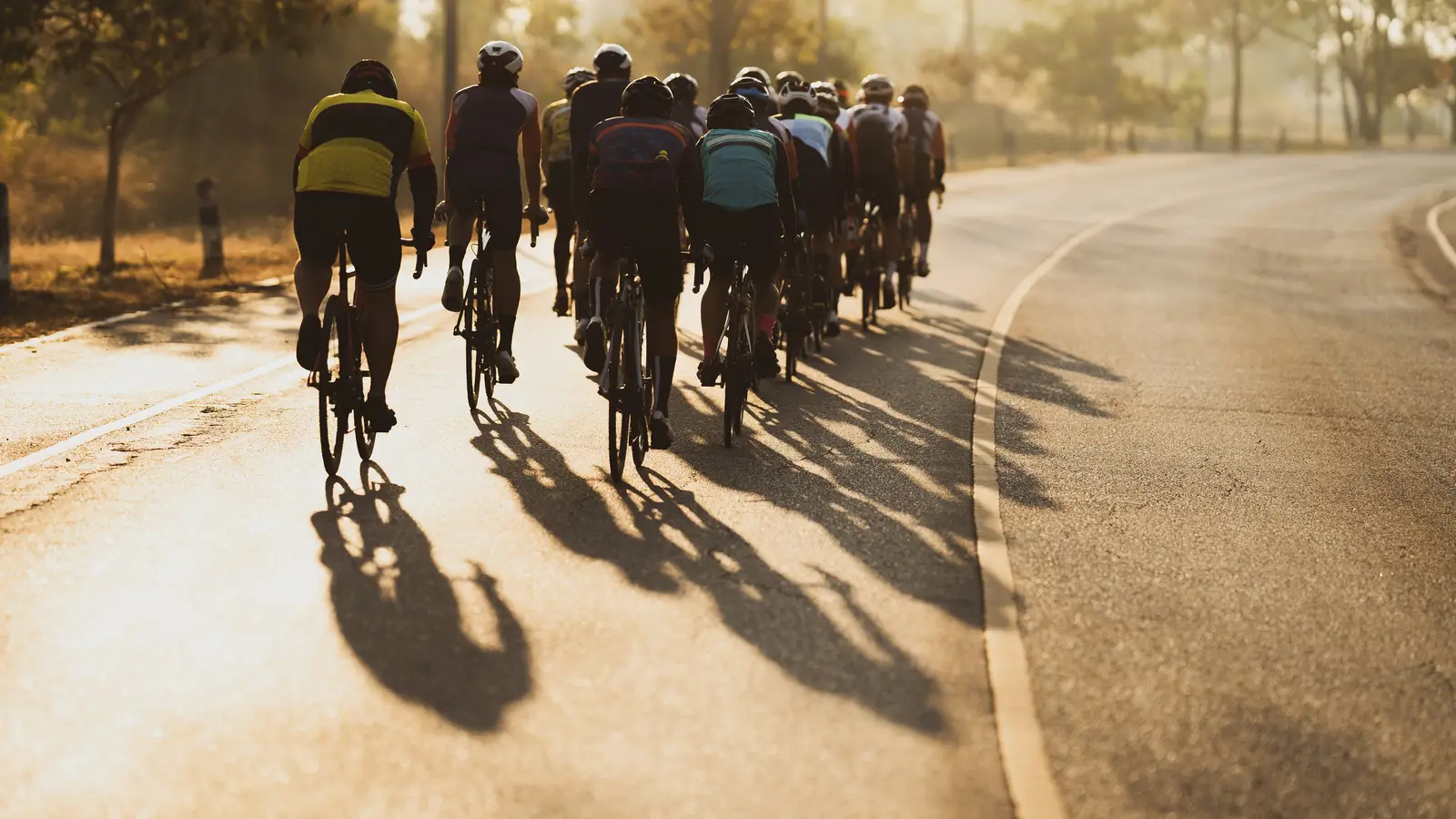
The opening kilometres of a gran fondo are usually crowded and fast. Riding in a group saves energy because you share the wind, but for someone used to riding alone it can be both tiring and risky. The safest way to learn is on club rides or with experienced friends before the event. On the day, if you are not used to it, staying at the back or the edge of a group costs you nothing.
If a group's pace is more than you can sustain, let it go. Energy spent hanging on to a strong group in the first hour is missing on the final climb. Finding a group that suits your pace, or riding alone in the wind for a while, is usually the smarter choice. The rules below apply whichever group you end up in.
- Hold your line; avoid sudden swerves and unnecessary hard braking.
- Look a few riders ahead, not at the wheel in front of you.
- Do not overlap your front wheel with the rear wheel of the rider ahead.
- Point out or call hazards such as potholes, stones or parked cars to riders behind.
- Pedal smoothly when you stand up so the bike does not lurch backwards.
- Follow traffic rules on open roads; a helmet is mandatory at most events.
Fuelling and comfort on long rides
On a ride lasting hours your energy stores run down, so fuelling is not optional. The general principle is to start early, before you feel hungry, and to eat and drink small amounts at regular intervals. Try gels, bars, drinks and real food on long rides to learn what suits you, and never test a new product on event day. Needs vary with the person, the weather and the effort; if you have a specific health condition, ask a professional.
Turn fuelling into a plan: find out where the feed stations are and decide what you will carry for the long stretches between them. On a hot day your fluid and salt needs rise markedly. Opening a wrapper halfway up a climb is awkward, so use the flat sections before climbs to eat. Rehearsing this on long rides also makes reaching into your pocket and drinking on the move second nature.
Over long distances, comfort is part of performance. If saddle height, reach to the bars or cleat position is off, a problem you never notice on short rides shows up in the fifth hour as knee, back or neck pain or numb hands. If you are preparing for a long event, consider a professional bike fit, and make any changes weeks before the event. If pain does not go away, see a health professional.
The taper, event day and common mistakes
The taper is the reduction in training volume in the final period before the event, usually lasting one to three weeks. While volume drops, short, intense sections keep your legs sharp. Do not try to make up for fitness you fear losing during this time: the fitness you built does not vanish in a few days, but accumulated fatigue does.
Build event day as the repeat of a rehearsal. Have the bike checked a few days before; test the tyres, brakes and gears, and pack a spare tube and tools. Your breakfast and fuelling plan should already be tried on long rides. Get to the start early, do not get carried away in the first kilometres and take the first climb more calmly than planned. As the course goes on, watch your effort and keep eating.
- Riding long rides too hard and arriving tired at midweek sessions.
- Going over threshold on the first climb.
- Starting to eat too late, or trying a new product on event day.
- Changing bike fit or equipment just before the event.
- Trying to learn group riding for the first time at the event.
- Training only indoors and never practising descents or riding in wind.
Frequently asked questions
Both are part of the same event; the difference is the length of the route and usually the total climbing. The gran fondo is the long route, typically over 100 kilometres, while the medio fondo is shorter and generally includes less climbing. For your first long-distance event, a medio fondo is a good start that keeps the preparation manageable.
It depends on your starting point and the course. For someone who already rides regularly, a few months of preparation is often enough; if you are new to cycling, you need to build an endurance base first. The real measure is how long it takes to extend your long rides safely towards the time the course will take you.
Largely, yes. If your time is limited, structured indoor sessions during the week build fitness efficiently. But skills such as group riding, descending, handling wind and eating on the move only develop on the road. In the final weeks of your preparation, make a point of doing long outdoor rides, ideally at weekends.
This guide is general information, not medical advice. If you have a health condition, an injury or pain that does not go away, see a health professional before you train.